When we think about animal welfare, most of us like to believe we’re making kind, conscious choices. But the reality is, many everyday decisions — from what we eat to where we shop — can unknowingly contribute to animal suffering here in the UK. This isn’t about blame. It’s about awareness. At Hopefield Animal Sanctuary, many of the animals we care for are here because of systems people rarely see or fully understand. By shining a light on these issues, we can all make small changes that have a big impact.
Here are five everyday animal welfare issues in the UK that often go unnoticed.
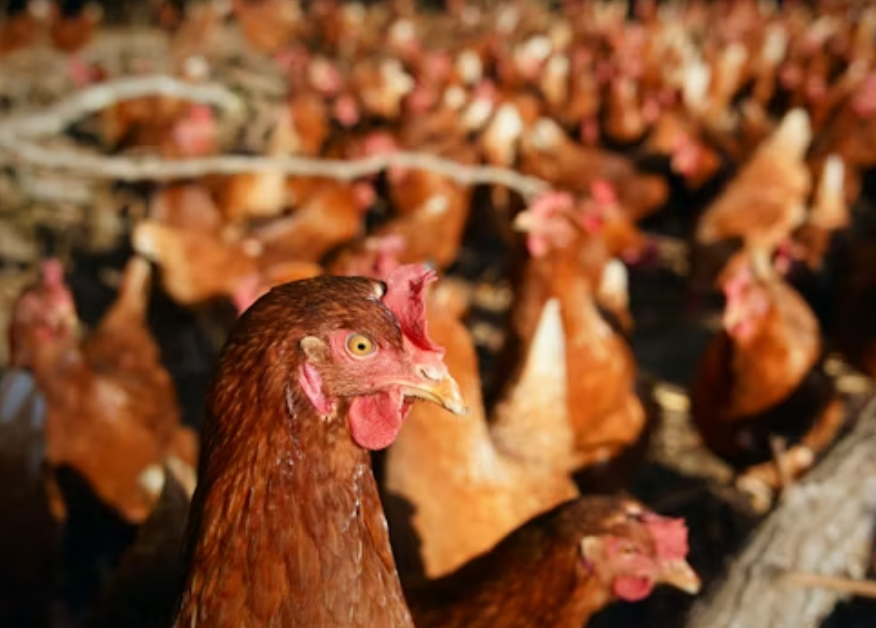
Most shoppers now look for “free-range” eggs, assuming this guarantees a high standard of welfare. While it’s often a better option than caged systems, the reality can still be surprising. In large-scale free-range systems, thousands of hens may share one space, with limited access to the outdoors. Many chickens never venture outside at all due to overcrowding or barn layout.
What can help:
If you want to know more about this, then read our blog highlighting more about this industry here.
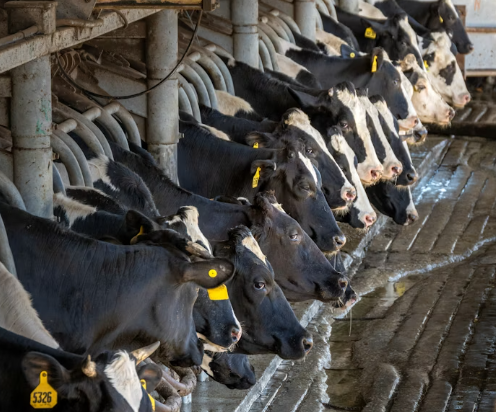
Dairy is often seen as a natural and harmless part of farming, but it involves a cycle many people aren’t aware of. For cows to produce milk, they must give birth. In most commercial systems, calves are separated from their mothers shortly after birth so the milk can be collected for sale. This separation can be distressing for both mother and calf, with strong maternal bonds broken within hours.
Male calves, who cannot produce milk, are often considered a by-product of the industry and may be sold on for low-value meat or face uncertain futures. Meanwhile, dairy cows themselves are repeatedly bred to maintain milk production and are typically culled long before the end of their natural lifespan when their yield declines.
What can help:
We also have a blog here that you can learn more from, as well as share to highlight the animal welfare issues in this industry.
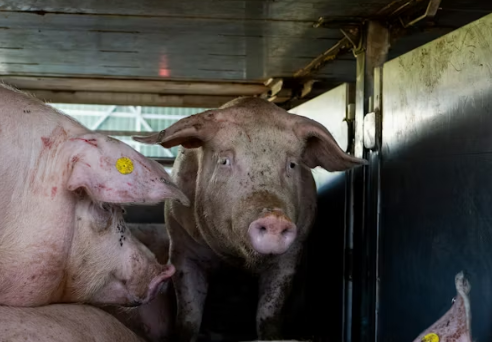
Meat is often marketed with reassuring labels and imagery — green fields, happy animals, and “high welfare” claims. But in reality, the vast majority of animals raised for meat in the UK are part of intensive farming systems. Even in improved conditions, animals are still bred for production, separated, transported, and ultimately slaughtered at a fraction of their natural lifespan. These are realities that are rarely shown on packaging or in advertising.
At Hopefield, many of the animals we care for have come from situations linked to farming, giving us a direct insight into the lives these animals can face.
What can help:
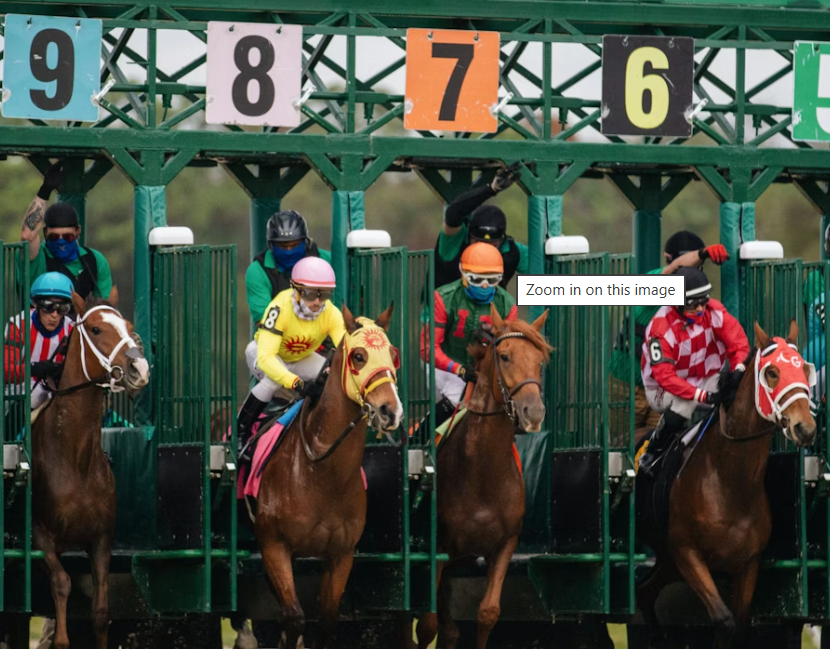
When people think of animal welfare, horses aren’t always the first animals that come to mind. But across the UK, issues like neglect, abandonment, and overbreeding are ongoing concerns. Horse racing is often viewed as part of British culture, but it’s also one of the most debated animal welfare issues in the UK. Horses used in racing are bred for speed and performance, often entering training and competition at a young age. The physical demands placed on them can lead to injuries, and when horses are no longer able to race, their futures aren’t always secure. While some are retrained or rehomed, many fall through the gaps — and this is where sanctuaries and rescue organisations step in.
Beyond racing, wider equine welfare issues remain a serious concern across the UK. Neglect, overbreeding, abandonment and fly grazing continue to affect horses and ponies every year.
What can help:
We have a blog for you to read and share here which goes into more depth on horse welfare.
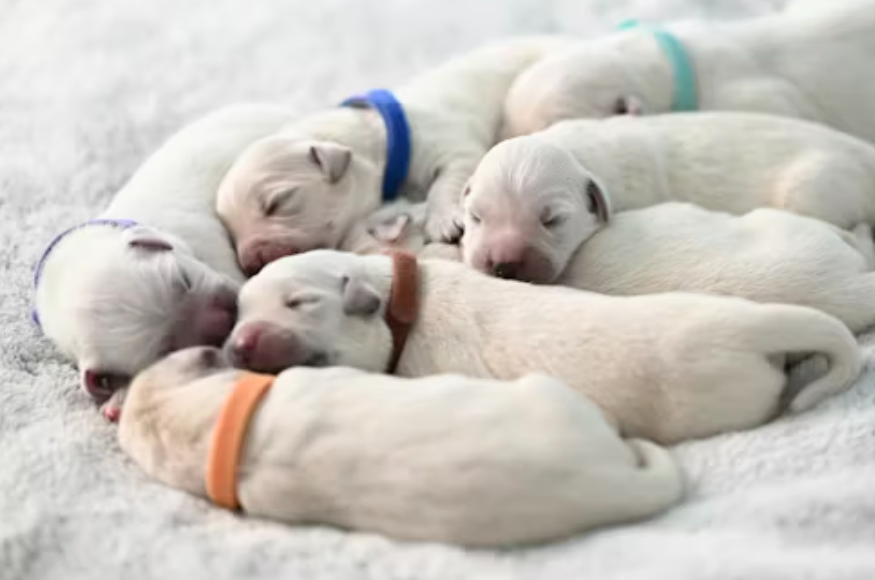
Behind the rise in pet ownership is a growing crisis that many people don’t see. Impulse buying, online selling, and unregulated backyard breeding have led to a surge in animals being bought without full understanding of the long-term commitment involved. When circumstances change — whether due to cost, time, or lifestyle — it’s often the animals who pay the price.
At Hopefield, we are increasingly overwhelmed with requests to take in unwanted animals — and we’re not alone. Rescues across the UK are under immense pressure, all trying to pick up the pieces of a system that allows animals to be bred and sold so easily.
While dogs and cats are most commonly discussed, rabbits are a particular and often overlooked concern. Frequently bought as “easy” pets, many end up neglected, kept in unsuitable conditions, or abandoned when the reality of their care becomes clear.
This isn’t just about individual choices — it’s about a wider issue where animals are still too often treated as disposable.
What can help:
The truth is, most people care deeply about animals — but the systems behind everyday choices aren’t always visible. By becoming more aware, asking questions, and making small, thoughtful changes, we can all help improve animal welfare in the UK.
At Hopefield Animal Sanctuary, we see first-hand the difference that compassion and education can make. Every visit, every share, and every conscious choice helps create a kinder future for animals.
Together, we can turn awareness into action — and give ALL animals the safe, happy lives they deserve.