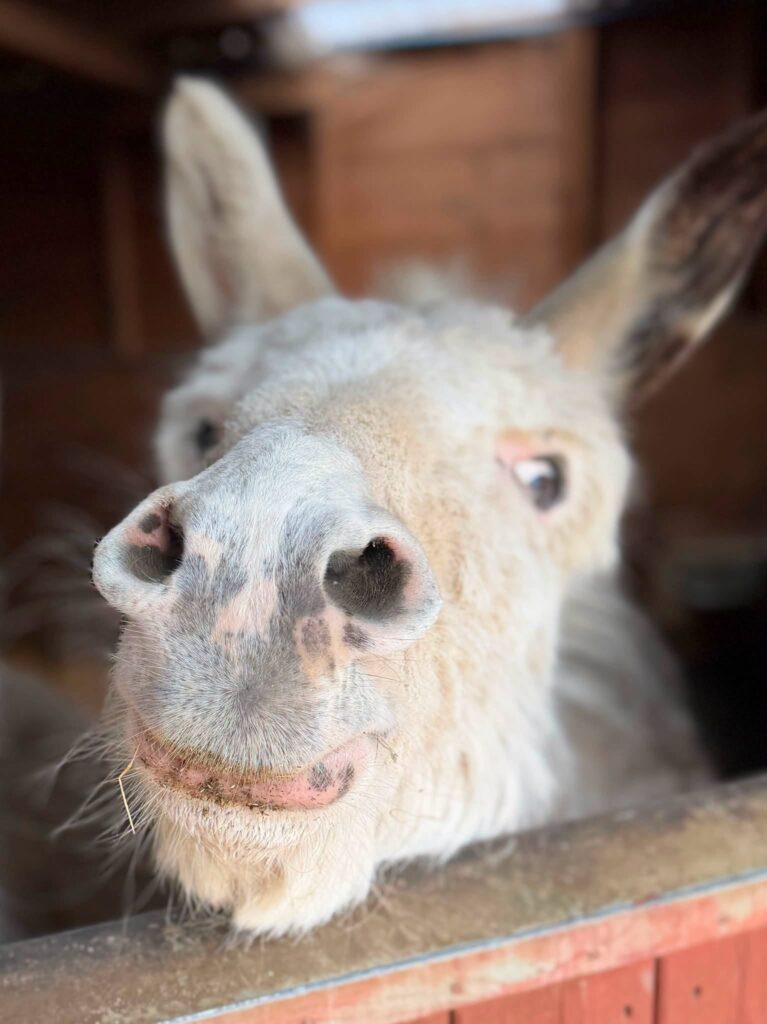
When an animal arrives at Hopefield Animal Sanctuary, we want something very simple for them: for them to know they are home. For some rescued animals, that might be the first time they have ever experienced a safe, permanent home. But what does “home for life” actually mean?
It means that rescue doesn’t end when an animal arrives at the sanctuary. In many ways, it is only the beginning.
A lifelong commitment to rescued animals
Hopefield is home to hundreds of rescued animals, each with their own history, personality, needs and quirks. Some arrive having been neglected. Others have been surrendered because their owners can no longer care for them. Some have medical conditions, behavioural needs or simply reached a point in their lives where they need somewhere safe and permanent.
Whatever their story, once they arrive at Hopefield, they become part of the sanctuary family.
We don’t simply provide them with somewhere to live. We provide lifelong care.
That means food every day, veterinary care when they need it, regular health checks, appropriate shelter, enrichment, specialist diets, farriery, medication and, perhaps most importantly, people who know them well enough to notice when something isn’t quite right.
Every animal is an individual
One of the wonderful things about caring for rescued animals is discovering who they really are. An animal’s history doesn’t have to define the rest of their life.
Over time, our team learns their personalities and routines. We know who is likely to be first to the food, who likes a little extra attention, who prefers to keep their distance and who has absolutely no intention of doing what they’re told. And that’s exactly how it should be. A sanctuary isn’t about making animals perform, produce or earn their keep. It’s about giving them the opportunity to simply be animals.
Lifelong care changes as animals get older
Just like people, animals’ needs can change throughout their lives. An animal who arrives at Hopefield may initially require relatively straightforward care, but as they get older they may need more veterinary attention, medication, changes to their diet or additional support with mobility. For older animals, that commitment becomes particularly important. There is no point at which we decide that an animal has become too old, too expensive or too complicated to care for.
They are home. And home means we continue to care for them.
It isn’t always easy
Providing lifelong care for hundreds of rescued animals is a huge responsibility. The cost of feeding them alone is significant, before you add veterinary treatment, medication, bedding, fencing, specialist equipment, staff and all the other things required to run an animal sanctuary. And unlike a conventional animal rescue, there isn’t necessarily an end point where an animal is rehomed and the financial responsibility moves elsewhere.
When an animal comes to Hopefield, we are committing to them for the rest of their life.
That’s why every visit, donation, sponsorship, volunteer hour and purchase made at Hopefield helps. You aren’t simply supporting a visit to an animal sanctuary. You are helping provide a permanent home for animals who need one.
Case in Point: Hope and Blossom: A second chance together
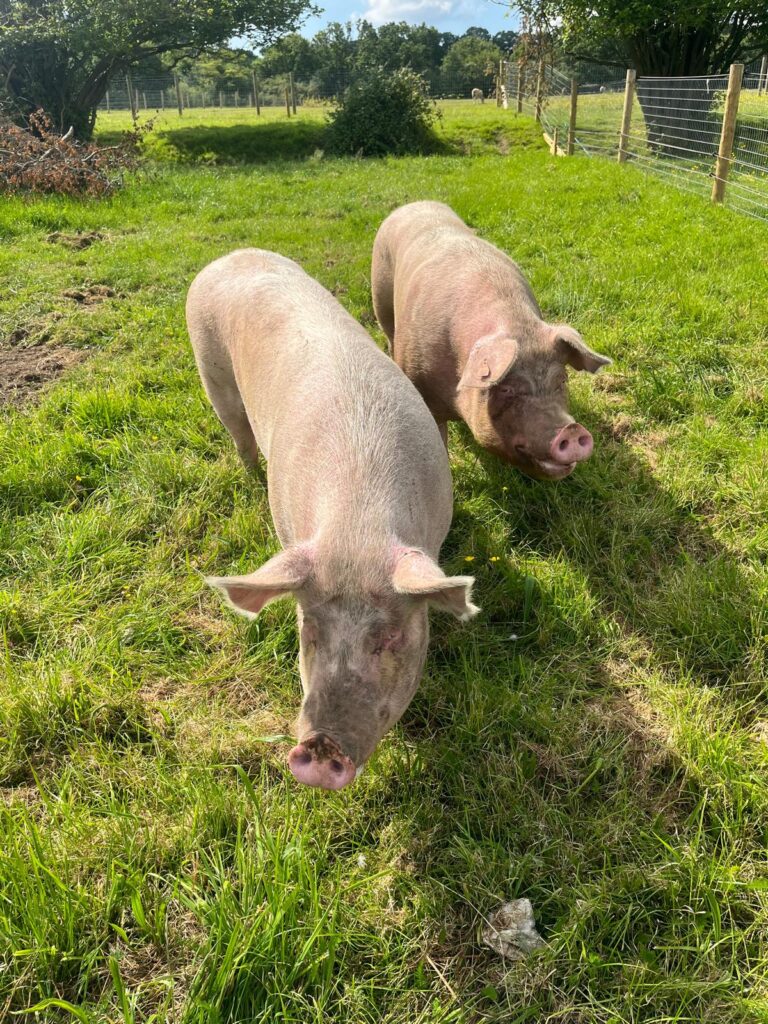
Hope and Blossom arrived at Hopefield together after being rescued from the same situation. They had spent their lives in an environment where they were valued for breeding rather than simply being allowed to live as pigs should. They had lived the majority of their lives in tiny, metal farrowing crates.
Coming to Hopefield changed that.
Here, they have the space, freedom and care they deserve, and — importantly — they have been able to stay together. They can spend their days doing all the things pigs should be able to do: exploring, rooting around, enjoying the sunshine, eating, sleeping and generally getting on with being pigs.
Their story is a lovely example of what “home for life” means. Hope and Blossom aren’t waiting for another home, and they aren’t here until a better option comes along. This is their home. And as they grow older, their needs may change, but our commitment to them doesn’t.
That’s the promise of a sanctuary: when an animal arrives at Hopefield, they don’t have to worry about where they’re going next. They have somewhere safe to stay, with people who know them, care for them and will be there for the rest of their lives.
More than a rescue centre
There is an important difference between rescuing an animal and providing a sanctuary. Rescue is often about getting an animal out of a situation where they are no longer safe and finding them somewhere appropriate. A sanctuary can be the somewhere appropriate. For animals who cannot, or should not, be moved on to another home, a sanctuary provides something incredibly valuable: permanence.
At Hopefield, that means our rescued animals aren’t waiting for their next home. They are already home. And that is perhaps the most important thing we can give them.