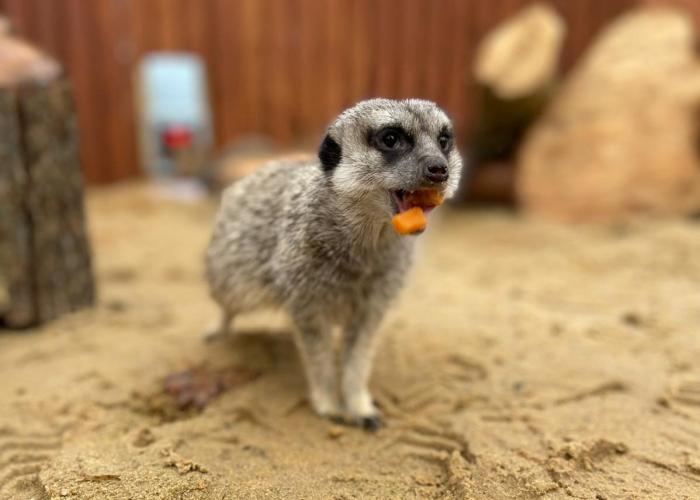
Every year, exotic animals are bought on impulse by people who want something different. A serval looks impressive on Instagram. An iguana seems low maintenance. A parrot can chat with you. A meerkat looks cute and snuggly. But what happens when reality sets in?
At Hopefield Animal Sanctuary, one of the largest centres for exotic pet rescue in Essex and the South East, we see the consequences of these decisions every single year. We see the animals nobody wants anymore. The ones that became too expensive, too noisy, too destructive, too dangerous, too demanding, or simply too inconvenient. Because despite what social media might tell you, wild animals do not make good pets.
Many people buy exotic animals because they want something unusual. Something nobody else has. Something that makes them stand out. Unfortunately, animals are not fashion accessories.
Servals can leap over three metres into the air and require specialist care, secure enclosures, enrichment and diets that most owners cannot realistically provide. Large parrots can live for decades and develop severe behavioural and psychological issues when their needs are not met. Reptiles often require complex heating, lighting and environmental conditions that are expensive and difficult to maintain properly. Primates, foxes, skunks, exotic birds and countless other species all have highly specialised needs that simply cannot be replicated in the average home.
Yet they continue to be bought and sold.

It’s a phrase we hear far too often.
“I didn’t realise how much work they were.”
“I didn’t realise how expensive they would be.”
“I didn’t realise how big they would get.”
“I didn’t realise they could be aggressive.”
The animal always pays the price for that lack of research. Not the owner. The animal.
When the novelty wears off, many exotic pets are neglected, abandoned, surrendered or passed from home to home, and many arrive at sanctuaries frightened and stressed. Others arrive with health problems caused by years of inappropriate care like our marmoset Jimbo, who prior to coming to Hopefield was kept in a rat cage existing on a diet of chips and curry sauce.
Many more arrive because their owners simply got bored (which, sadly, does happen across all areas of pet ownership too)
When an exotic pet becomes unwanted, there are very few places equipped to help. Specialist housing is expensive, veterinary care is expensive, food is expensive.
Everything about caring for exotic animals is expensive.
And that is why sanctuaries like Hopefield Animal Sanctuary exist – to provide lifelong care for animals that have nowhere else to go including those animals that were purchased as pets but should never have been pets in the first place and who deserve safety, stability and expert care.
The public often sees the cute photographs. What they don’t see are the costs, the specialist facilities, the daily care, the veterinary treatment and the years of commitment required to give these animals the lives they deserve. None of which would be necessary if they had just been left in the wild where they belong in the first place.
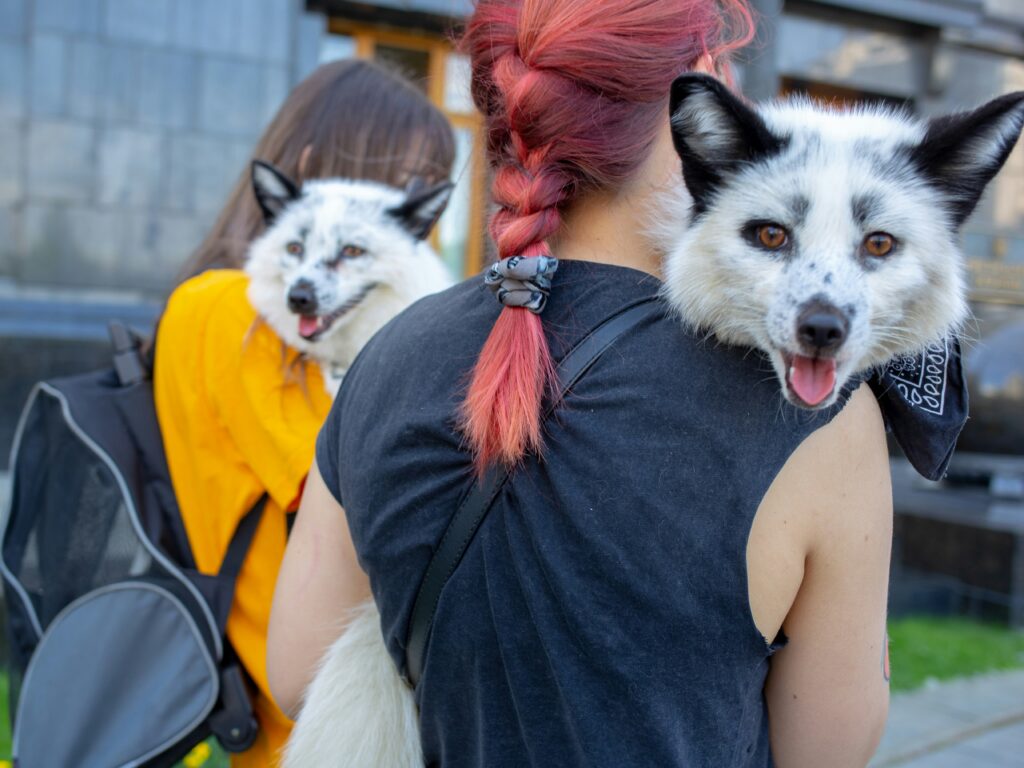
Let’s be honest, owning an exotic animal doesn’t make someone interesting and it doesn’t make them unique. In many cases, it simply creates another welfare problem that somebody else eventually has to solve. If you genuinely love wild animals, admire them for what they are.
Wild.
Not possessions.
Not status symbols.
Not conversation starters.
Living creatures with complex needs that deserve respect.
The easiest way to help stop the exotic pet trade is simple:
And if you want to support the animals already affected by this trade, support sanctuaries that provide them with lifelong care. At Hopefield Animal Sanctuary, we are proud to provide refuge for rescued exotic animals and to educate visitors about the realities behind the exotic pet trade.
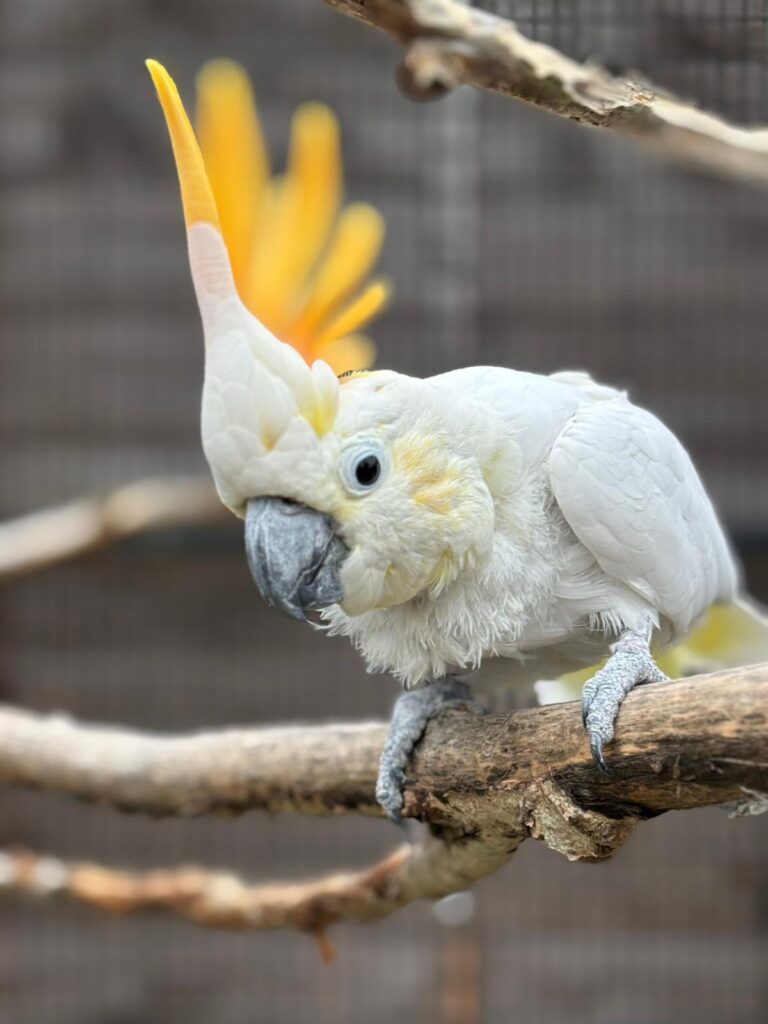
If you’ve ever wondered what happens to animals caught up in the exotic pet trade, this weekend offers a rare opportunity to see for yourself.
Our Exotic Animal Weekend takes place on 6th and 7th June, where visitors can meet many of our rescued exotic residents, including our serval, Mali, meerkats, marmosets, parrots, skunks, Asian palm civets and more. Every animal has a story, and many are with us because somebody, somewhere, underestimated what it really means to care for a wild animal.
Due current licensing restrictions, our exotic animals can only be viewed by the public on six days each year. Once these dates have passed, the exotic areas will close again until the next Exotic Animal Weekend.
As one of the largest centres for exotic animal rescue in Essex and the South East, we believe education is one of the most powerful tools we have. Seeing these animals up close helps people understand that they are not novelty pets or status symbols. They are intelligent, complex wild animals with specialist needs that deserve expert lifelong care.
If you would like to meet Mali the Serval and many of our other rescued exotic residents, this weekend is your chance.
(Please note that you will be able to see the animals but there will be no handling or entering enclosures with them. Any interaction is always on their terms, although as many of them were pets prior to coming here, they are often curious to come over and say hello. Please do not try and pet them or put your fingers near them!)
Before buying an exotic animal, ask yourself one simple question: Do you genuinely want to provide a lifetime of specialist care, or do you just like the idea of owning something unusual?
Too many animals suffer because people confuse novelty with responsibility. And while you’re at it, think carefully about where you spend your money. Every ticket purchased, every photo opportunity booked and every animal encounter shared online helps shape demand. If a business is using wild animals as props, entertainment or profit-making tools, ask whether animal welfare is really coming first. We see too many exotic animal experiences being marketed as educational. Children can have their photo taken with a wild animal, have them at their birthday party, or watch it being passed around for entertainment. But what message does that send?
When children see wild animals being used as attractions, props or party entertainment, they learn that these animals exist for our enjoyment. They learn that owning, handling or displaying exotic animals is normal. This is not okay.
The exotic pet trade exists because people keep buying and supporting it. Animal exploitation exists because people keep paying. If we want to see fewer animals abandoned, neglected and needing rescue, we need to stop creating the demand that puts them in that position in the first place.